Showing posts with label room design. Show all posts
Showing posts with label room design. Show all posts
3 Tips for Learning to Design
You many not have schooling in visual design or what you think is a well-developed sense of style. But you can cultivate your own sense of design in order to design your own room. Here are 3 tips for gaining your own sense of style.
1. Learn from the best
Every day, there are magazines, television shows, blogs, internet videos and articles written about design. Generally, they have photos or videos of some of the best design accompanying them. Take the time to look them over. If you want to be inspired to do something great, you will want to spend your time reading and looking at the best books, articles, and pictures. There are a wide variety of sources for interior design tips, from Pinterest to Better Homes and Gardens to a simple Google search. In many places, there are shows like the Parade of Homes that allow people to wander through model homes. You can use these opportunities to see what you like and what you don't like.
2. Learn the basics
Lets face it, design is a lot more subjective than doing a math problem. But visual design is based on principles that can be learned and used, just like in any other subject of study. Take the time to find out about the basic principles of design, such as line, symmetry, proportion, contrast, color, etc. These principles will help you understand what makes a good design, which will help you come up with your own. You can even look at the RoomDesign lessons here: http://www.howtodecoratemyhome.net/
3. Take the time to analyze
So you have found a picture of a room that you like or you have seen someone's house that you love. What about it do you like? Why is it that you enjoy that design? Is it the theme that you like, or the color? Do you like its uniqueness, or its harmony? Once you have found designs that draw you in, take the time to figure out what it is about the design that you particularly enjoy. As you analyze different designs over and over, your own sense of design will evolve and you will be able to come up with your own ideas much easier. Remember to learn from the best, and your basic knowledge of design principles will help you understand what you are looking at.
Room design can be a fun and rewarding activity. With a little effort, you can learn more about good design and create your own room designs in your own house.

Giving Your Living Room A New Look
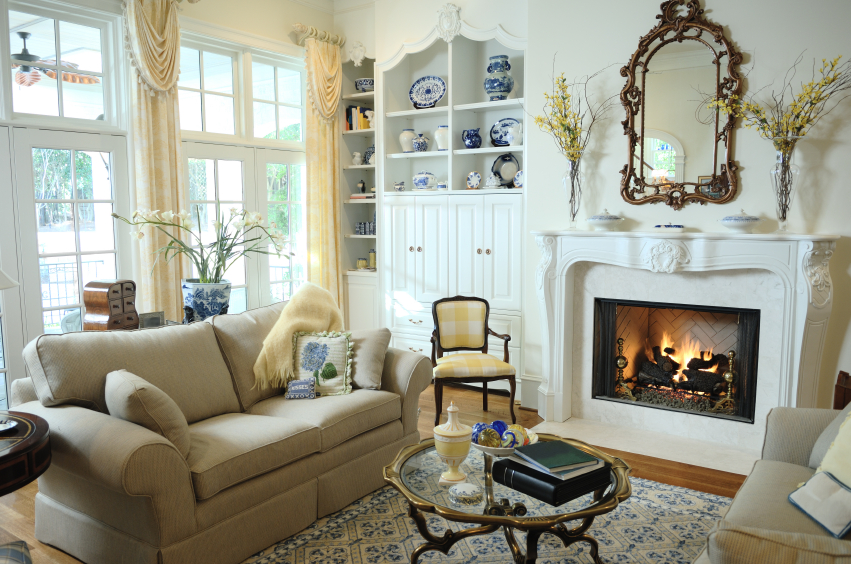
It
isn't too uncommon that we get bitten by the re-decorating bug and have
the urge to freshen up the rooms in our home. If you are like most
people, though, the bug often bites at inconvenient times when the
budget is tight and resources are spread thin. You may have said to
yourself, “This room looks old and a fresh, new look would be
great...but right now just isn't a good time.” After giving it little
more than a wistful thought, you write it off as another impossible
dream that just can’t come true any time soon.
The
great secret about the dream in this scenario is that it can come true.
It can and should have a happy ending. Freshening the look of your
living room doesn't have to break the bank. It won’t necessarily cost
you a fortune to change things up enough to get a new, refreshing look.
Here are a few easy and affordable tips to mix things up and give your
living room that fresh, new feel you’re looking for.
Change your couch with a slipcover -
A
slipcover is one of the easiest and most affordable way to change the
look of your furniture. You can update the color scheme of your entire
room by getting a few new covers for your sofas and chairs. This gives
you the style benefit of a new set of furniture without a large
commitment or cost.
Switch out your throw pillows -
Swapping
out your throw pillows is another easy way to mix things up in your
living room. You might even even change the pillows with the seasons or
during holidays. Throw pillows are an easy and affordable way to
regularly give your room a fresh, new look.
Add a rug -
Flooring
makes up about 30% of what you see in a room. Adding a rug, whether on a
carpet or hardwood floor, will give your room a new floor look and feel
without the cost or hassle of actually redoing the entire floor.
Modify your walls -
Painting
a single room is a easier and cheaper that painting your entire house.
Pick a new color that fits with your current home decor (furniture,
rugs, etc) and spice up your room at a reasonable cost. Adding molding
or trim can be a little addition that makes a big difference. If you are
looking for something a little more bold, paint just one wall and add
something new like a painting or clock for a nice focal point.
Swap out your pictures -
An
important design element in nearly all living rooms is the pictures.
Swapping out some pictures seasonally or with the holidays can create a
nice compliment to your other decorations. Switching full color photos
for black and white will also help to create a fresh, new look.
These
are just a few quick, easy, and affordable tips on how to revamp your
living room without breaking the bank. Please share the tips, hints, or
thoughts that have worked for. For more ideas about decorating your
home, visit our free online lessons at howtodecoratemyhome.net.
How To Decorate With Color
Have you ever seen a room that is filled with colors you never would have chosen to decorate your own home, yet you loved the way the room looked and felt? Did you find yourself asking, “How were they able to pull it off using those colors?” Well believe it or not, the decorator of that room didn't randomly pick a few colors, try them out, and wind up pleasantly surprised. Chances are, the decorator was able to effectively decorate the room with colors she loved because she understands and follows the basic principles of color.
It’s helpful to understand 3 basic elements of color when decorating a room.
1) The Psychology of Color - Did you know that colors can work as visual stimulants that affect our mood in ways we may not realize? Aggressive colors such as red, yellow, and orange can stimulate, energize, and help to liven our moods. Passive colors, on the other hand, such as blue, purple, and green can help to calm and relax us.
2) The Color Wheel - The most fundamental tool for understanding how colors can be used in coordination with one another is the color wheel. The primary colors of red, blue, and yellow are the basics of the color wheel, and all other colors are derived from these. Secondary colors of orange, green, and violet are formed when two of the three primary colors are mixed together. Tertiary colors are derived by mixing a primary color with a secondary color, blending them into less vivid colors.
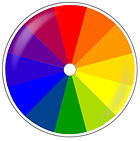
3) Using Color to Create Atmosphere - Understanding the psychology of color and the color wheel can help you to create a unique atmosphere in any room of your home. For example, when decorating a kitchen or family room that is often used for entertaining and socializing with guests, you might consider using the warm or active colors. When decorating a den used for reading or a cozy bedroom, you might chose calm and soothing colors that help you to create an atmosphere conducive to relaxing.
When you understand the basics of colors and how they can be used to influence the atmosphere of your home, you’ll be able to create the exact look and feel you hope to achieve. To learn more about how to use color in decorating your room or home, visit our free lessons at www.howtodecoratemyhome.net.
Subscribe to:
Posts
(
Atom
)