Showing posts with label furniture. Show all posts

The Right Living Room For Your Home


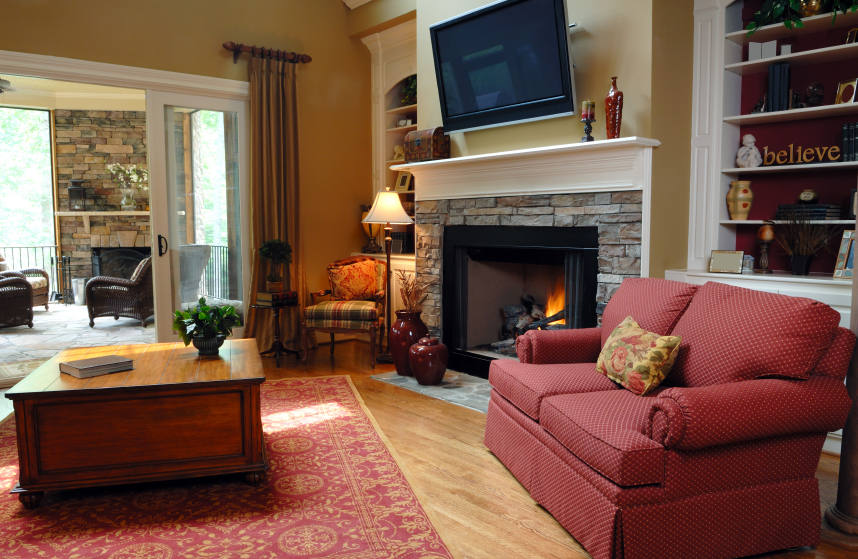
For many homes, the living rooms is the most public and most used area of the house. Whether it is used to entertain guests, spend time with the family, or lounge while watching television or reading a good book, living rooms tend to be a natural place for us to gravitate towards. Your use of the living room and the style you decorate it in can vary greatly. Here are a few simple decorating guidelines that can help make your living room become the room you want it to be.


Seat positioning -


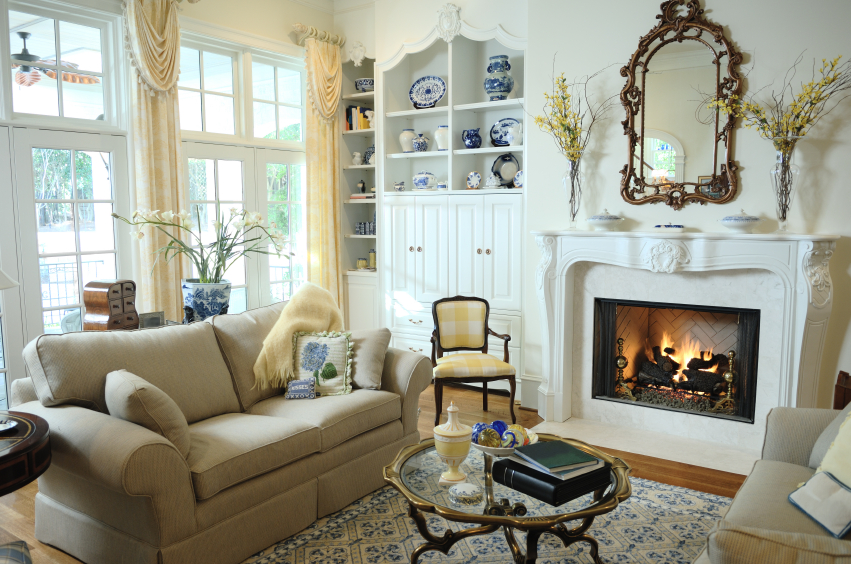
When using armchairs and sofas, be mindful of how near or far they are from each other. The living room is a natural place to have relaxed conversations, and as such, it should accommodate this. When placing sofas and chairs, try to make sure that they are always within 8 feet of each other. This will make it easier for people to talk with each other. Place the seats so that they face the room's focal point so people can see and hear everybody else.


Make it cozy, but not too cramped-

While you want the seating close enough to easily communicate, its important that there is enough space for everybody to feel comfortable and not feel stuffy and cramped. Make sure that there are open paths to walk between the pieces of furniture. Walkways of about 2.5 feet (30 inches) can give a nice aisle without making the room feel too spaced out. If you have a coffee table or other furniture in front of the sofa or chairs, you should leave 14-18 inches to allow for comfortable knee space.

Anchoring the furniture -

A great way to give the room a centered feel is by placing a rug in the center of the room. Make sure that it is either large enough for all of the furniture to fit onto it, or small enough that the edges touch the furniture pieces surrounding it. Facing furniture around a focal point, such as a window, television, or fireplace, also helps to achieve this.

Other useful ideas -

  • If space is limited, use nesting tables to save room.

  • Install in-floor electrical outlets to make plug-in access easier and to make the room more flexible when rearranging furniture.
  • If you are not placing a piece of furniture against a wall, make sure that the back is presentable and does not need repair or to be upholstered.
  •  Longer sofas are great for creating more seating space without more furniture.
  • Ottomans make great additional seating and can be moved near a cabinet or table when not being used. Upholstered ottomans can also serve multiple purposes, such as a footstool or extra table.

Use these tips to get started in making a living room that is comfortable and meets your needs, whatever they may be. For other useful decorating tips and methods, visit our website at www.howtodecoratemyhome.net.

Giving Your Living Room A New Look


It isn't too uncommon that we get bitten by the re-decorating bug and have the urge to freshen up the rooms in our home. If you are like most people, though, the bug often bites at inconvenient times when the budget is tight and resources are spread thin. You may have said to yourself, “This room looks old and a fresh, new look would be great...but right now just isn't a good time.” After giving it little more than a wistful thought, you write it off as another impossible dream that just can’t come true any time soon.

The great secret about the dream in this scenario is that it can come true. It can and should have a happy ending. Freshening the look of your living room doesn't have to break the bank. It won’t necessarily cost you a fortune to change things up enough to get a new, refreshing look. Here are a few easy and affordable tips to mix things up and give your living room that fresh, new feel you’re looking for.

Change your couch with a slipcover -

A slipcover is one of the easiest and most affordable way to change the look of your furniture. You can update the color scheme of your entire room by getting a few new covers for your sofas and chairs. This gives you the style benefit of a new set of furniture without a large commitment or cost.

Switch out your throw pillows -

Swapping out your throw pillows is another easy way to mix things up in your living room. You might even even change the pillows with the seasons or during holidays. Throw pillows are an easy and affordable way to regularly give your room a fresh, new look.

Add a rug -

Flooring makes up about 30% of what you see in a room. Adding a rug, whether on a carpet or hardwood floor, will give your room a new floor look and feel without the cost or hassle of actually redoing the entire floor.

Modify your walls -

Painting a single room is a easier and cheaper that painting your entire house. Pick a new color that fits with your current home decor (furniture, rugs, etc) and spice up your room at a reasonable cost. Adding molding or trim can be a little addition that makes a big difference. If you are looking for something a little more bold, paint just one wall and add something new like a painting or clock for a nice focal point.

Swap out your pictures -

An important design element in nearly all living rooms is the pictures. Swapping out some pictures seasonally or with the holidays can create a nice compliment to your other decorations. Switching full color photos for black and white will also help to create a fresh, new look.

These are just a few quick, easy, and affordable tips on how to revamp your living room without breaking the bank. Please share the tips, hints, or thoughts that have worked for. For more ideas about decorating your home, visit our free online lessons at howtodecoratemyhome.net. 

What color should I paint my room?


One of the biggest decisions to make when remodeling or designing your home is the color scheme you will use for each room. The color of the room not only affects the mood that the room creates, but also influences what furniture and decor you will purchase and use in that room. While it is always possible to repaint the rooms in your house, it is much easier to instead begin with color scheme that you enjoy enough to be willing to make other decisions, such as furniture purchases, based upon what you already have. The hardest part of finding the right colors for your home can be knowing where to start, so here are a few ideas for what colors schemes might work for you.

Living Room  -

White or other neutral colors for walls, sofa, and chairs accented by warm or cool colors often work well in living rooms. If the room is used for relaxing and reading, cooler colors will work best. If the room is more commonly used for entertaining and playing games, warmer colors may be a better choice. Just remember that white or light colored carpet and furniture can be hard to keep clean, especially if you have small children.


Bedroom -

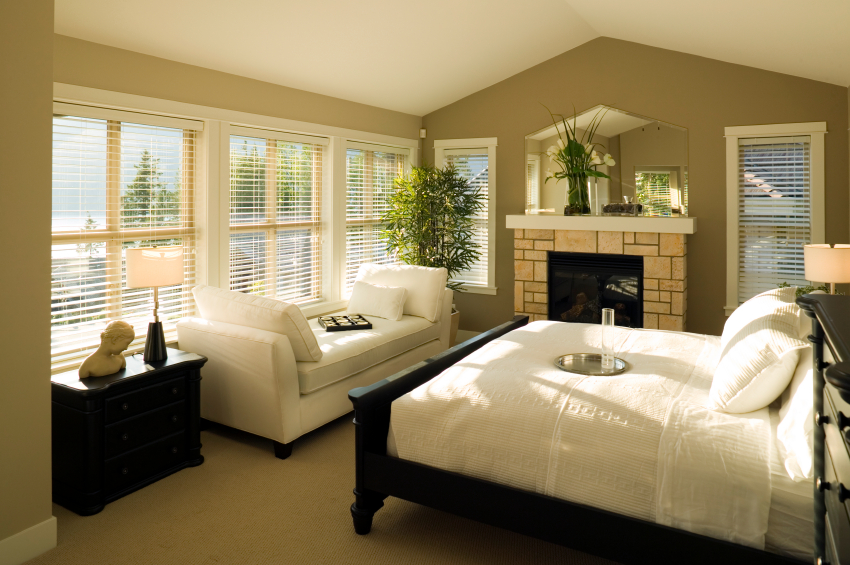
Because bedrooms are personal spaces, there can be more flexibility in choosing colors that the user of the bedroom prefers. However, remember that bedrooms should be a relaxing environment, so cooler colors that are calming and peaceful, such as blue and purple, work well.


Children’s Room -

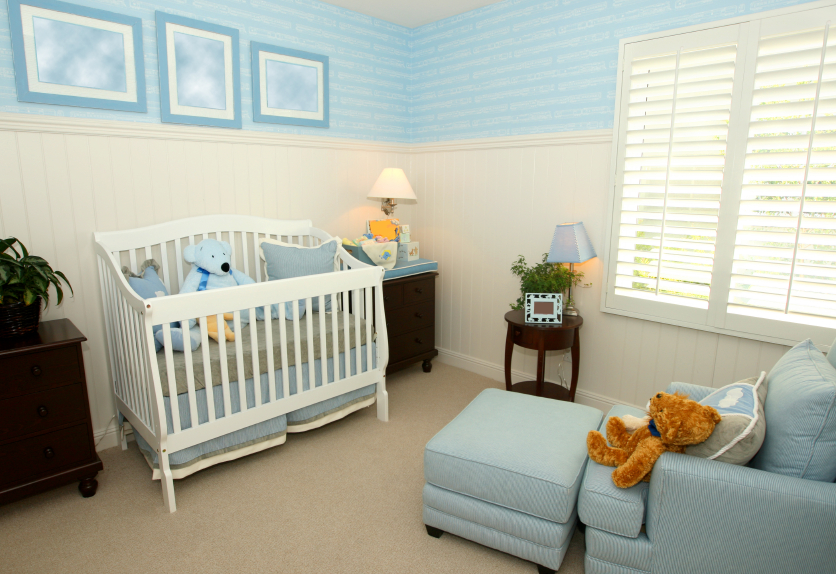
If the children’s room is meant to relaxing, blue and other cool colors are a great choice. If the room is meant to encourage activity and playing, then warm active colors such as red will work well. Keep in mind that bright yellow in large quantities does tend to lead to more fighting among children and siblings, and can lead to baby’s crying more often.


Bathroom -

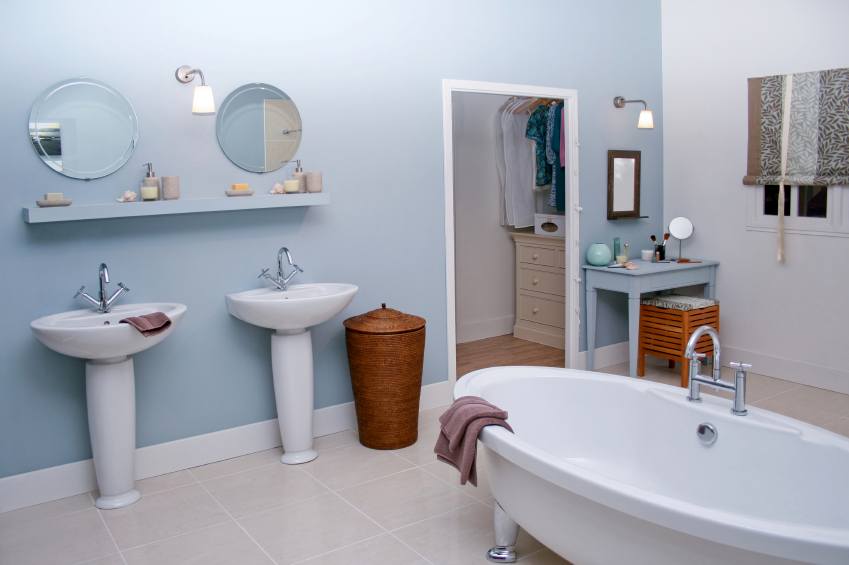
Tranquil colors including green and blue help to create an inviting atmosphere. White is also a great choice in bathrooms, as it expands the small size of the room and signifies cleanliness. 


Entryways and Hallways -

Neutral colors are often the best choice for hallways and entryways. Colors such as off white and beige can help transition the color from room to room as you move throughout the house.


Dining Room and Kitchen -

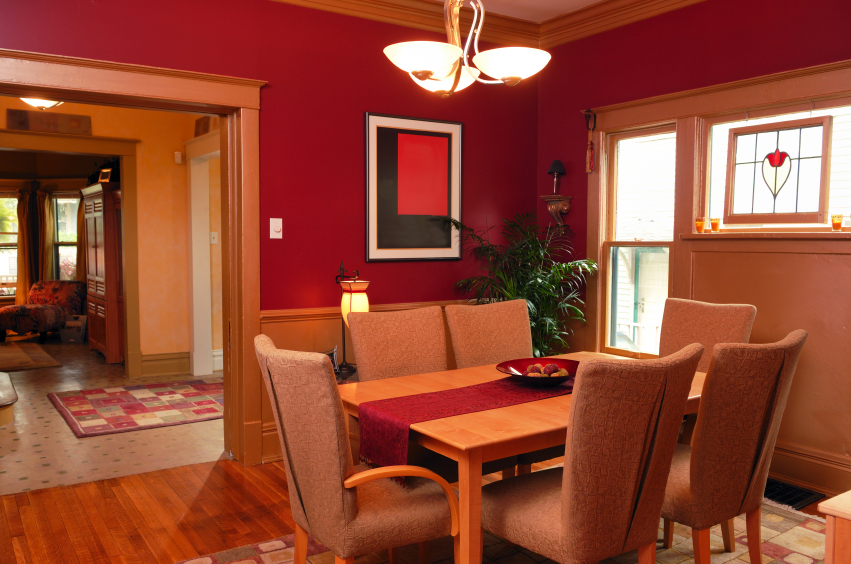
Warmer colors that stimulate appetite and conversation are a great choice for kitchens and dining rooms. Red is often a popular color for this reason, but if used in excess can be overpowering. Apricot and other orange tones help to create feelings of enthusiasm and excitement without being as overwhelming.


To learn more about how to use color in decorating your home, visit our free online lessons at www.howtodecoratemyhome.net

How To Create A Focal Point

When beginning to decorate a room, you may have so many ideas of things you want to do that finding a place to start can be difficult. How many chairs should the room have? Should the floor be bare, or would a rug add a nice touch? Are end tables necessary, or will they just clutter up the room? Can I just use the items I have or do I need to start over? 


These concerns, and many more just like them are questions that will surely come up. So, where should you start? The first thing the decorator must consider is the room’s focal point. The focal point is the place where the eye first comes to rest when entering the room. It can be anything that the design of the room is built around and draws attention. Focal points can be made to include almost anything, varying in size and type.It may be a piece of furniture, or it may be the architecture including a fireplace, a piano, or a tall, antique armoire — or even a spectacular window view. In many homes the television is the focal point.

Every room can and should have a focal point. From the kitchen, to the den, to the bedroom, there are an infinite number of ways create a place or item that works as a “center” for the room.
Rugs, mirrors, and chests can make great focal points in halls and entryways. Bathrooms can use mirrors and cabinets to make even the most simple room feel inviting and comfortable. Entertainment centers and bookshelves be can used as a great foundation to build the rest of your room around in a den or living room.

They key to creating a successful focal point is through drawing attention to it in the way you direct the other furnishings of the room. Make sure that all the accessories and pieces of furniture lead to, and not away from the focal point(s) you have in your room. Place the chairs and other seating furniture around the focal point so that everyone can view and enjoy it.

As you learn to create and use focal points as the anchor of your room design, you will find the balance and feel you desire for you each and every room in your home. You and your guests will enjoy rooms in which you attend to the focal point.

To learn how to find your room’s focal point, as well as other valuable interior decorating ideas, visit our free online lessons at www.howtodecoratemyhome.net. 

How To Get Started In Decorating Your Home


The way you choose to decorate your home is an extension of yourself - an outward expression of your personality. For some people, the ability to translate their personality through modifying their surroundings seems almost second nature. They instinctively know how to combine colors and styles in a way that reflects their individual tastes and preferences. For most people, however, it can be difficult to know where to start. While many may know what colors they find aesthetically pleasing or that they like the look of a particular sofa or armchair, knowing how to combine all of the elements of room design into a cohesive whole can seem overwhelming. If you seem to struggle knowing how to get going, here are a few simple starting points that may help you in your attempt to design a home in a way that is uniquely you.

Set A Deadline  - With so many options available to you in how you decide to decorate your room or home, projects can be endless in their nature and quantity. Whether for a single room or your entire home, pick a date by which you hope to have your project completed. Failing to do so can culminate in an unending series of run-on projects.

Set A Budget - Just as projects can go on and on if you don’t set a limit, the amount of money you spend decorating your home can be infinite. Set a budget early in the decorating process to give yourself reasonable parameters in your home decorating initiative.

Prioritize Your Projects - Whether you are working on a single room or your entire home, pick your priorities. It can be so easy to get lost in a myriad of rooms and aspects of home design, often leading to an overwhelming sense of “too much to do”. Focus on the rooms that you are most important to you (often the rooms that are most commonly used, especially when entertaining guests), and work your way through each part of your project systematically.  

Learn The Basics - Understanding a few key elements of room design can go a long way in effectively decorating your home. Knowing how to apply the basics of color schemes, design styles, and simple concepts such as focal points and spacing can give you a great place to start in planning any room. For a great resource on the basics of home decorating, color, and style try our free online lessons at www.howtodecoratemyhome.net.

Coordinate - If you live by yourself, then designing and decorating a room or home primarily affects one person: you. However, most people live with others - roommates, a significant other, or family members. Make sure that your plans to design and decorate your home are also in sync with what others who share your residence want as well.

While there are endless tips and suggestions when it comes to home decorating, these simple steps are a great place to start. To learn additional hints, tips, and principles, visit our free online courses on home decorating at www.howtodecoratemyhome.net.