What color should I paint my room?


One of the biggest decisions to make when remodeling or designing your home is the color scheme you will use for each room. The color of the room not only affects the mood that the room creates, but also influences what furniture and decor you will purchase and use in that room. While it is always possible to repaint the rooms in your house, it is much easier to instead begin with color scheme that you enjoy enough to be willing to make other decisions, such as furniture purchases, based upon what you already have. The hardest part of finding the right colors for your home can be knowing where to start, so here are a few ideas for what colors schemes might work for you.

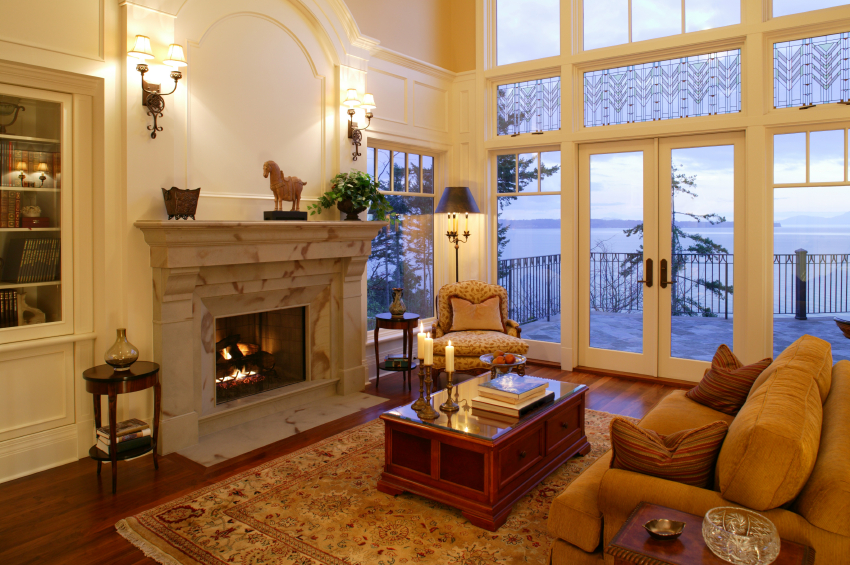
Living Room  -

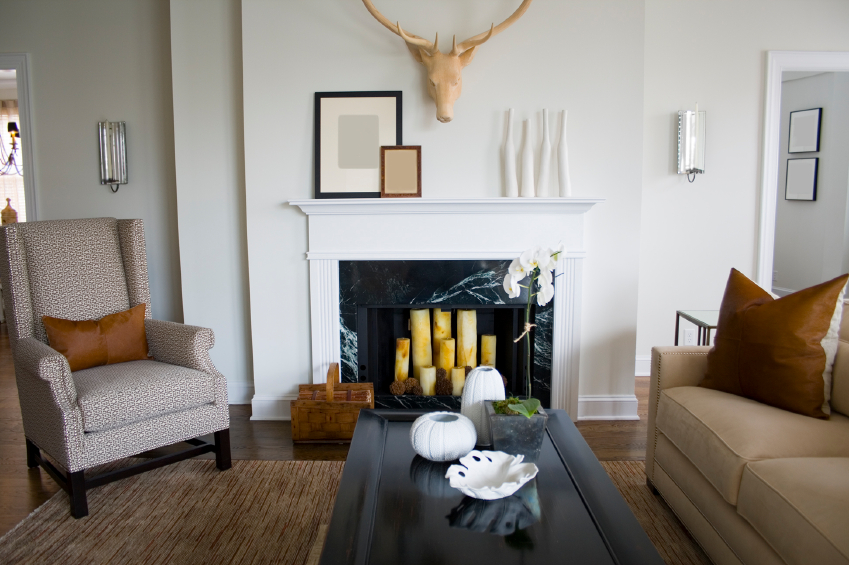
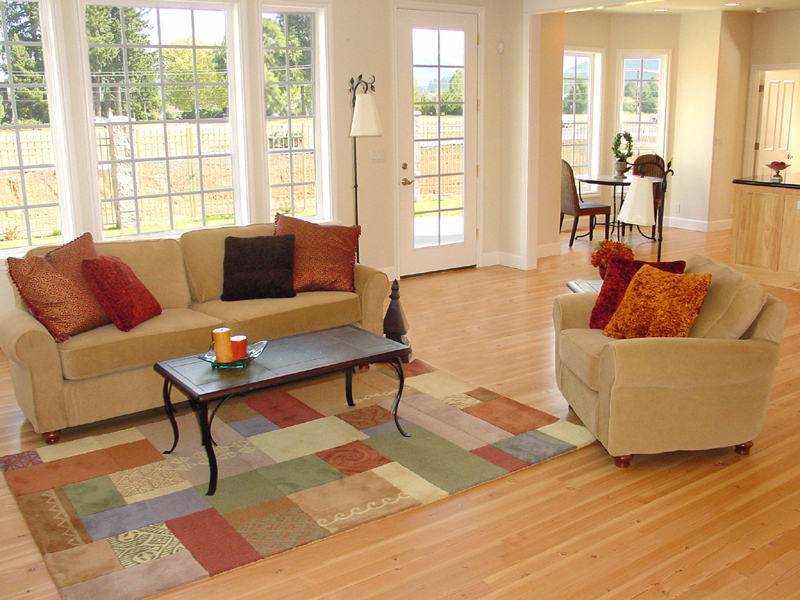
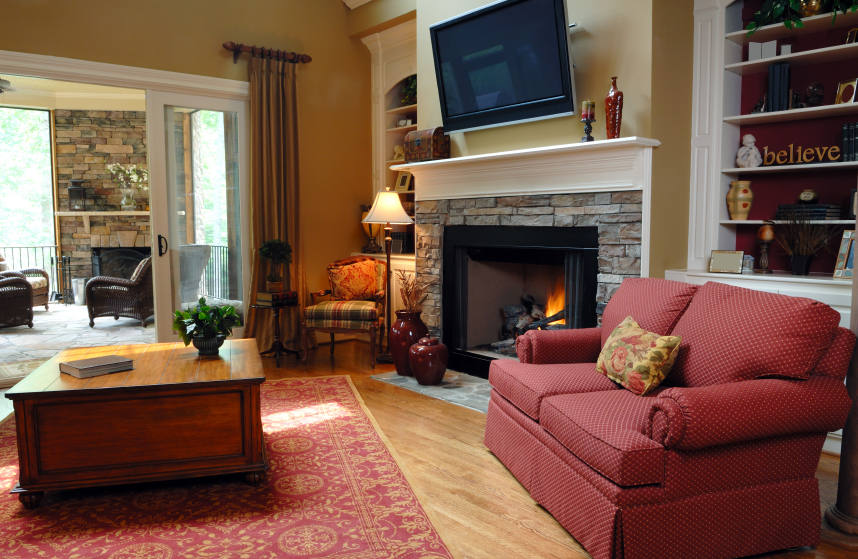
White or other neutral colors for walls, sofa, and chairs accented by warm or cool colors often work well in living rooms. If the room is used for relaxing and reading, cooler colors will work best. If the room is more commonly used for entertaining and playing games, warmer colors may be a better choice. Just remember that white or light colored carpet and furniture can be hard to keep clean, especially if you have small children.


Bedroom -

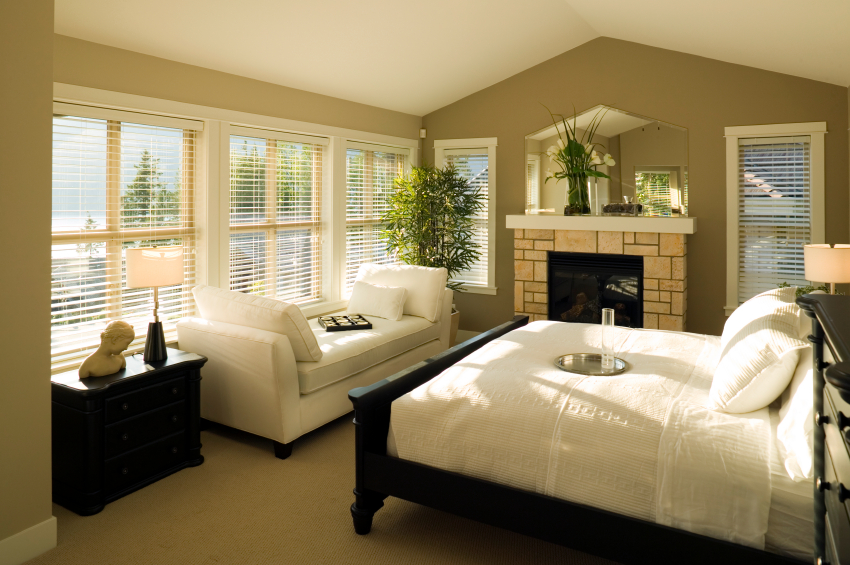
Because bedrooms are personal spaces, there can be more flexibility in choosing colors that the user of the bedroom prefers. However, remember that bedrooms should be a relaxing environment, so cooler colors that are calming and peaceful, such as blue and purple, work well.

Children’s Room -

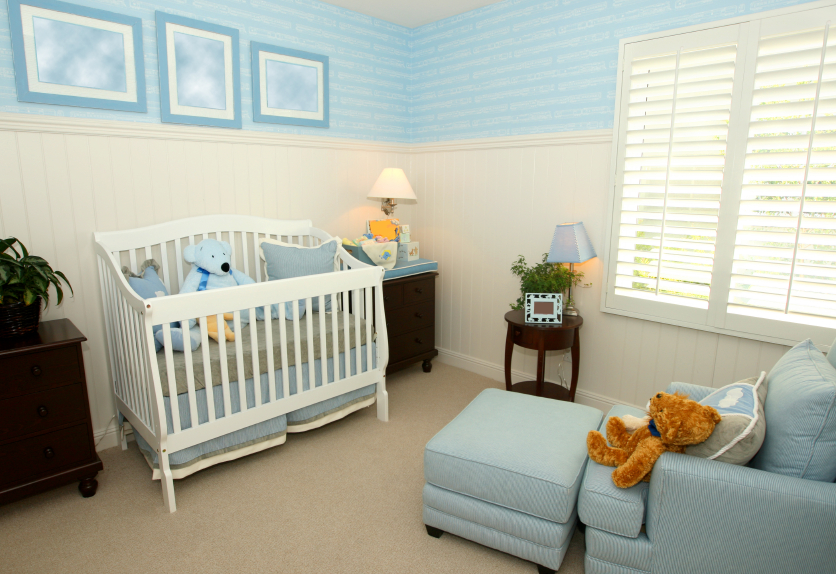
If the children’s room is meant to relaxing, blue and other cool colors are a great choice. If the room is meant to encourage activity and playing, then warm active colors such as red will work well. Keep in mind that bright yellow in large quantities does tend to lead to more fighting among children and siblings, and can lead to baby’s crying more often.


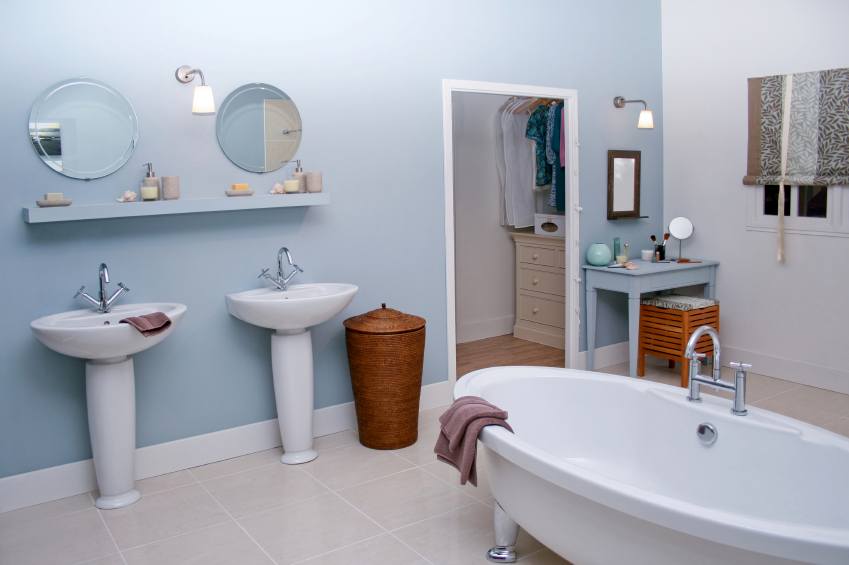
Bathroom -

Tranquil colors including green and blue help to create an inviting atmosphere. White is also a great choice in bathrooms, as it expands the small size of the room and signifies cleanliness. 

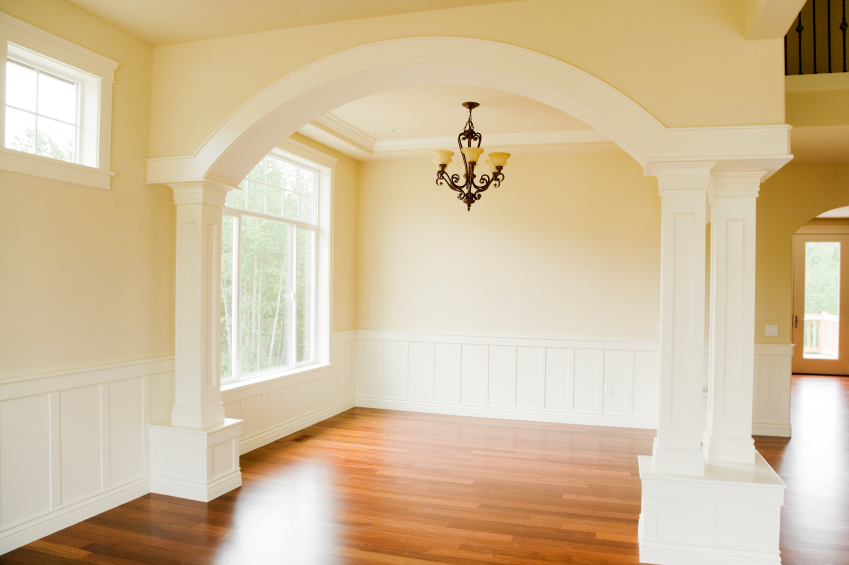
Entryways and Hallways -

Neutral colors are often the best choice for hallways and entryways. Colors such as off white and beige can help transition the color from room to room as you move throughout the house.


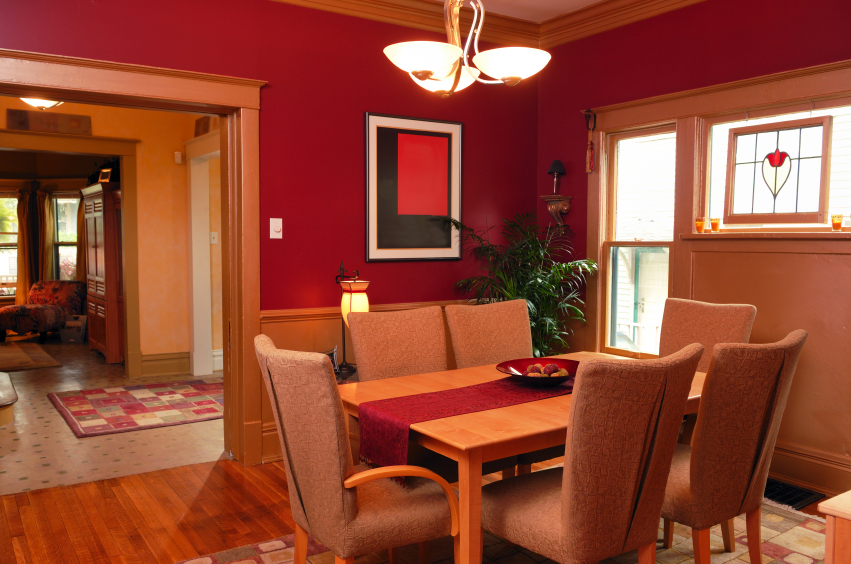
Dining Room and Kitchen -

Warmer colors that stimulate appetite and conversation are a great choice for kitchens and dining rooms. Red is often a popular color for this reason, but if used in excess can be overpowering. Apricot and other orange tones help to create feelings of enthusiasm and excitement without being as overwhelming.


To learn more about how to use color in decorating your home, visit our free online lessons at www.howtodecoratemyhome.net

How To Decorate Your Home: Tips on Accessorizing


The best way to give your home a personal flair that is uniquely you is accessorizing. Accessories are the finishing touches that make your a house feel like a home. Home decorating accessories include everything from plants, lamps, pictures, paintings, and pillows. You can add almost anything else to give your home a touch of your personality. Here are several basic ideas that can help you to get started in decorating your home.


Grouping –


When you use a collection of items, it typically works best to keep them together as a grouping instead of spreading them out as individual pieces. Curio cabinets and sofa tables are often used to display collections. You should considering grouping your collections in odd numbers (3, 5, 7). Whether you hang your decorations, or place them on shelves, spacing them out at varying heights is a great way to create a more dynamic look.

Here are a few examples of how  grouping accessories together can work.


Throw Pillows –


Throw pillows are one of the most common accessories used in home decorating. They can be a fun and easy way to add a splash of color and fun to any room. Throw pillows are a great accessory because they are easily replaced, and can be changed out for special occasions, or seasons and holidays. Be sure to consider the style and color of your room when you are looking for new or additional pillows to use.


Area Rugs –


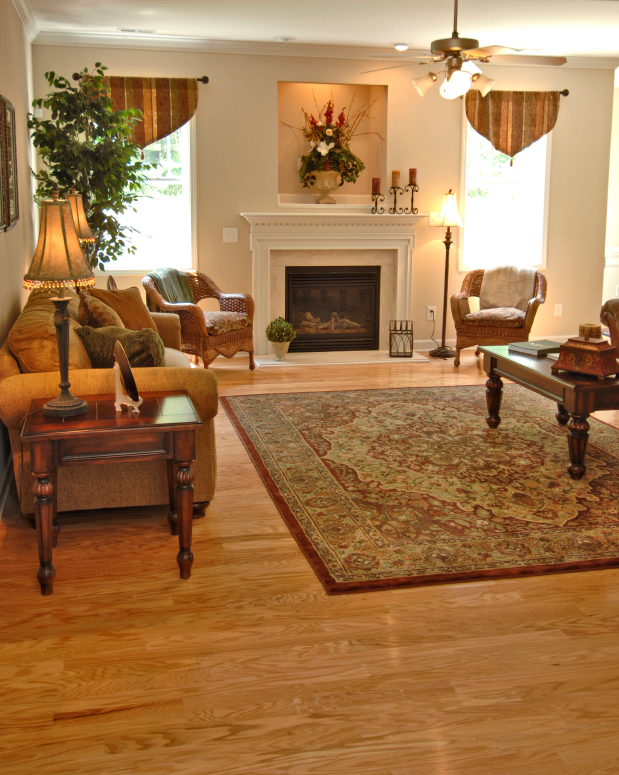
Area rugs can help define a space and help pull it together through color and texture. They tend to be the “show offs” of room accessories, and add design, mood, and pattern to a room. They are extremely useful in establishing a style to the room that other accessories can support. Placing area rugs at an angle, or angling a sofa or other furniture across a corner of a rug can help add excitement to your room.


Wall Hangings –


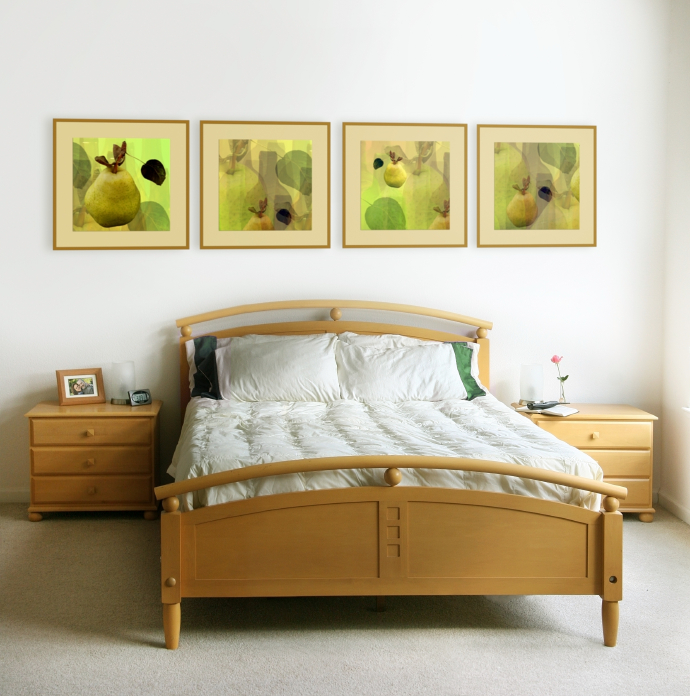
Wall hangings and framed art are popular accessory in most homes. The most important thing to keep in mind is that you generally want wall hangings to take an entire space. A small hanging or framed art piece on a large wall leaves the wall looking disproportionate and naked. When placing wall hangings, it is best to start at eye level and adjust up or down as needed. If you are hanging a collection of hangings or art pieces, make sure to leave at least 4-6 inches, so the pictures don’t look cluttered.


There are an infinite number of things to accessorize your home with and just as many ways to use them. These tips are a few basic ideas in how to get started in decorating your home. For more ideas on ways to decorate your home, visit www.howtodecoratemyhome.net.

How To Create A Focal Point

When beginning to decorate a room, you may have so many ideas of things you want to do that finding a place to start can be difficult. How many chairs should the room have? Should the floor be bare, or would a rug add a nice touch? Are end tables necessary, or will they just clutter up the room? Can I just use the items I have or do I need to start over? 


These concerns, and many more just like them are questions that will surely come up. So, where should you start? The first thing the decorator must consider is the room’s focal point. The focal point is the place where the eye first comes to rest when entering the room. It can be anything that the design of the room is built around and draws attention. Focal points can be made to include almost anything, varying in size and type.It may be a piece of furniture, or it may be the architecture including a fireplace, a piano, or a tall, antique armoire — or even a spectacular window view. In many homes the television is the focal point.

Every room can and should have a focal point. From the kitchen, to the den, to the bedroom, there are an infinite number of ways create a place or item that works as a “center” for the room.
Rugs, mirrors, and chests can make great focal points in halls and entryways. Bathrooms can use mirrors and cabinets to make even the most simple room feel inviting and comfortable. Entertainment centers and bookshelves be can used as a great foundation to build the rest of your room around in a den or living room.

They key to creating a successful focal point is through drawing attention to it in the way you direct the other furnishings of the room. Make sure that all the accessories and pieces of furniture lead to, and not away from the focal point(s) you have in your room. Place the chairs and other seating furniture around the focal point so that everyone can view and enjoy it.

As you learn to create and use focal points as the anchor of your room design, you will find the balance and feel you desire for you each and every room in your home. You and your guests will enjoy rooms in which you attend to the focal point.

To learn how to find your room’s focal point, as well as other valuable interior decorating ideas, visit our free online lessons at www.howtodecoratemyhome.net. 

How To Decorate With Color

Have you ever seen a room that is filled with colors you never would have chosen to decorate your own home, yet you loved the way the room looked and felt? Did you find yourself asking,  “How were they able to pull it off using those colors?” Well believe it or not, the decorator of that room didn't randomly pick a few colors, try them out, and wind up pleasantly surprised. Chances are, the decorator was able to effectively decorate the room with colors she loved because she understands and follows the basic principles of color.


It’s helpful to understand 3 basic elements of color when decorating a room.


1) The Psychology of Color - Did you know that colors can work as visual stimulants that affect our mood in ways we may not realize? Aggressive colors such as red, yellow, and orange can stimulate, energize, and help to liven our moods. Passive colors, on the other hand, such as blue, purple, and green can help to calm and relax us.


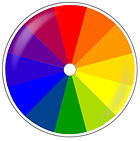
2) The Color Wheel - The most fundamental tool for understanding how colors can be used in coordination with one another is the color wheel. The primary colors of red, blue, and yellow are the basics of the color wheel, and all other colors are derived from these. Secondary colors of orange, green, and violet are formed when two of the three primary colors are mixed together. Tertiary colors are derived by mixing a primary color with a secondary color, blending them into less vivid colors.


3) Using Color to Create Atmosphere - Understanding the psychology of color and the color wheel can help you to create a unique atmosphere in any room of your home. For example, when decorating a kitchen or family room that is often used for entertaining and socializing with guests, you might consider using the warm or active colors. When decorating a den used for reading or a cozy bedroom, you might chose calm and soothing colors that help you to create an atmosphere conducive to relaxing.


When you understand the basics of colors and how they can be used to influence the atmosphere of your home, you’ll be able to create the exact look and feel you hope to achieve. To learn more about how to use color in decorating your room or home, visit our free lessons at www.howtodecoratemyhome.net.